Types of Lawn Weeds
Keeping your lawn green and healthy can be tough when different types of weeds start popping up. Weeds are unwanted plants that compete with your grass for water, nutrients, and sunlight. They can spread quickly and make your lawn look messy. Understanding the types of weeds and how to get rid of them is important for keeping your lawn in great shape.

What Are Lawn Weeds?
Lawn weeds are plants that grow where you don’t want them, like in your grass. They can come from seeds blown by the wind, carried by animals, or brought in with soil or mulch. Weeds can vary in size, shape, and how they grow, but they all share the ability to disrupt your lawn’s health and appearance.
Why Are Weeds a Problem?
Weeds can cause several problems for your lawn:
- Competition: They compete with your grass for water, sunlight, and nutrients, which can weaken your lawn.
- Aesthetic Issues: Weeds can make your lawn look uneven and unkempt.
- Maintenance: Controlling weeds takes time and effort, adding to your lawn care workload.
- Soil Health: Some weeds can change the structure of your soil, affecting how well it drains and how healthy your grass can grow.
common Grassy Weeds
1. Bermuda grass (Cynodon dactylon)
- Description: A warm-season perennial grass that spreads aggressively through stolons and rhizomes.
- Most Common in: United States, Australia
2. Johnson grass (Sorghum halepense)
- Description: A tall, perennial grass that spreads by rhizomes and seeds, often found in fields and disturbed areas.
- Most Common in: United States
3. Annual bluegrass (Poa annua)
- Description: A small, light green, annual or sometimes perennial grass that produces abundant seeds.
- Benefits: Helps prevent soil erosion.
- Common Regions: Found worldwide.
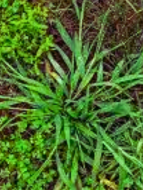
4. Crabgrass (Digitaria spp)
- Description: A summer annual weed that grows low to the ground, forming dense patches that choke out surrounding grass.
- Most Common in: United States
5. Quackgrass (Elymus repens)
- Description: A perennial grass with creeping rhizomes, making it difficult to control due to its underground spreading structure.
- Most Common in: Canada, United States
Common Broadleaf Weeds
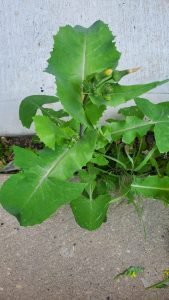
6. Prickly Lettuce (Lactuca serriola)
- Description: Prickly lettuce has tall stems with spines and leaves that are deeply divided. The leaves have small prickles on the underside, making them easy to recognize. It also has small yellow flowers.
- Benefits: This weed can help loosen compacted soil with its long taproots. These roots bring nutrients from deep in the soil up to the surface, which can help other plants.
- Common Regions: Prickly lettuce grows in many places around the world. You can find it in North America, Europe, Asia, and parts of Australia.
7. Clover (Trifolium spp.)
- Description: Low-growing perennials or annuals with ball-shaped flower clusters that can fix nitrogen in the soil.
- Benefits: Fixes nitrogen in the soil, improving fertility.
- Common Regions: Europe, North America, Asia.
8. Purslane (Portulaca oleracea)
- Description: A succulent annual with fleshy leaves and small yellow flowers, rich in omega-3 fatty acids.
- Most Common in: United States, Australia
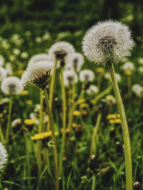
9. Dandelion (Taraxacum officinale)
- Description: Recognized by its bright yellow flowers and deep taproots, making it resilient to removal.
- Benefits: Breaks up compacted soil and brings nutrients to the surface.
- Common Regions: Worldwide
10. Chickweed (Stellaria media)
- Description: A low-growing annual with small, white flowers that spreads quickly in moist, shady areas.
- Benefits: Protects soil from erosion and improves soil structure.
- Common Regions: Europe, North America
11. Plantain (Plantago spp)
- Description: Perennial weeds with broad leaves and a rosette growth pattern, often found in lawns and pastures.
- Most Common in: United States, Canada
Common Sedge Weeds
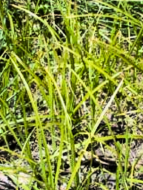
12. Nutsedge (Nut grass) (Cyperus spp)
- Description: Grass weed – like leaves with nut-like tubers, resistant to many herbicides.
- Most Common in: United States, Australia
13. Yellow nutsedge (Cyperus esculentus)
- Description: Similar to other nutsedges, with yellowish-brown seed heads.
- Benefits: Improves soil aeration and helps with water filtration.
- Common Regions: worldwide
14. Purple nutsedge (Cyperus rotundus)
- Description: Known for its dark purple to black seed heads and rapid spread.
- Most Common in: United States, Africa
Common Woody Weeds
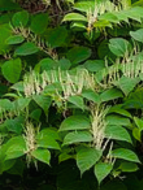
14. Japanese knotweed (Fallopia japonica)
- Description: A perennial with hollow stems and heart-shaped leaves, known for its aggressive growth.
- Benefits: Can stabilize soil on slopes and reduce erosion.
- Common Regions: Europe, North America, Asia.
15. Tree of heaven (Ailanthus altissima)
- Description: A deciduous tree with large compound leaves and a rapid growth rate.
- Most Common In: United States, Europe
16. Russian olive (Elaeagnus angustifolia)
- Description: A small deciduous tree or large shrub with silvery leaves and yellow flowers.
- Most Common In: United States, Canada
Parasitic Weeds
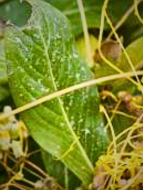
17. Dodder (Cuscuta spp.)
- Description: A parasitic vine that attaches to host plants, drawing nutrients from them.
- Most Common In: United States, India
18. Broomrape (Orobanche spp.)
- Description: Root parasites that attach to the roots of host plants, often found in agricultural fields.
- Most Common In: Europe, USA
Aquatic Weeds
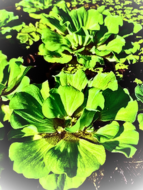
19. Water hyacinth (Eichhornia crassipes)
- Description: A free-floating perennial plant with glossy leaves and striking purple flowers.
- Most Common In: US and India
20. Water lettuce (Pistia stratiotes)
- Description: A free-floating aquatic plant with soft, velvety leaves that form rosettes.
- Most Common In: United States, Africa
21. Cattails (Typha spp.)
- Description: Tall, weed grass-like plants with characteristic brown, sausage-shaped flower spikes.
- Most Common In: United States, Canada
Annual Weeds
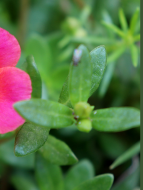
22. Common purslane (Portulaca oleracea)
- Description: A succulent annual with fleshy leaves and small yellow flowers, often found in gardens.
- Most Common In: United States, Australia
23. Lamb’s Quarters (Chenopodium album)
- Description: An annual weed with white, mealy leaves, commonly found in disturbed soils.
- Most Common In: United States, Canada
Perennial Weeds
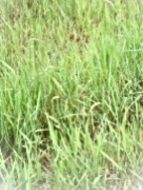
24. Dandelion (Taraxacum officinale)
- Description: Known for its bright yellow flowers and deep taproots, making it resilient to removal.
- Most Common in: United States, Canada, Europe
25. Quackgrass (Elymus repens)
- Description: A perennial grass type weed with creeping rhizomes, making it difficult to control due to its underground spreading structure.
- Most Common In: Canada, United States
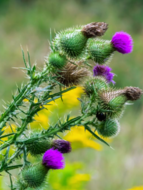
26. Canada thistle (Cirsium arvense)
- Description: A perennial weed with spiny leaves and purple to pink flowers, known for its aggressive spread.
- Most Common In: United States, Canada
Noxious Weeds
28. Kudzu (Pueraria montana)
- Description: A climbing vine that grows rapidly and smothers other vegetation.
- Most Common in: United States
29. Giant hogweed (Heracleum mantegazzianum)
- Description: A large perennial plant with thick, bristly stems and white flower clusters that can cause skin irritation.
- Most Common in: United States, United Kingdom
30. Purple loosestrife (Lythrum salicaria)
- Description: An invasive perennial with tall, spiky flower clusters that are usually purple.
- Most Common In: United States, Canada
Native Weeds
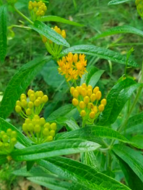
31. Goldenrod (Solidago spp.)
- Description: A native perennial with bright yellow flower clusters, often found in meadows and along roadsides.
- Most Common In: United States, Canada
32. Milkweed (Asclepias spp.)
- Description: Native plants known for their role in the lifecycle of monarch butterflies, with clusters of pink, orange, or white flowers.
- Most Common in: United States, Canada
33. Indian hemp (Apocynum cannabinum)
- Description: A native perennial with long, narrow leaves and small white flowers, often found in wet areas.
- Most Common in: United States, Canada
Non-native Invasive Weeds
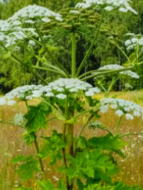
34. Japanese knotweed (Fallopia japonica)
- Description: A perennial with hollow stems and heart-shaped leaves, known for its aggressive growth.
- Most Common In: United Kingdom, United States
35. Purple loosestrife (Lythrum salicaria)
- Description: An invasive perennial with tall, spiky flower clusters that are usually purple.
- Most Common In: United States, Canada
36. Kudzu (Pueraria montana)
- Description: A climbing vine that grows rapidly and smothers other vegetation.
- Most Common in: USA
environmental weeds
Field Weeds
Pigweed (Amaranthus spp): this broadleaf weed is prevalent in agricultural fields in the United States and Canada.
Foxtail (Setaria spp): These annual grasses are indeed common in fields and disturbed areas in the United States and Europe.
Garden Weeds
Bindweed (Convolvulus spp): This climbing perennial vine is well-known in gardens, especially in the United States and the United Kingdom.
Ground Ivy (Glechoma hederacea): Correct, this low-lying weed is common in gardens and forms dense mats in the United States and the United Kingdom.
Roadside Weeds
Dandelion (Taraxacum officinale): Accurate, these weeds are common along roadsides in the United States, Canada, and Europe.
Plantain (Plantago spp): Typically found along roadsides and in other disturbed areas.
Forest and Wildland Weeds
Garlic Mustard (Alliaria petiolata): Common in forested areas in the United States and Canada.
Spotted Knapweed (Centaurea stoebe): This biennial herb is invasive in forested areas in the United States and Europe.
Urban Weeds
Common Purslane (Portulaca oleracea): This succulent annual is often found in urban gardens in the United States and Australia.
Goosegrass (Eleusine indica): A summer annual common in urban areas in the United States and Asia.
Benefits and Downsides of Lawn Weeds
Weeds can have some benefits, like attracting pollinators or improving soil health. But they can also cause problems:
- Compete with Grass: Weeds take resources away from your grass.
- Spread Easily: Many weeds produce lots of seeds or spread through roots.
- Look Untidy: They can make your lawn look messy and uneven.
How to Control Weeds in Your Lawn
Keeping weeds under control takes some effort, but it’s worth it to keep your lawn looking great:
- Regular Maintenance: Mow your lawn regularly and keep it well-watered and fertilized to help your grass compete with weeds.
- Hand Pulling: Pull out small weeds by hand, making sure to get all the roots.
- Use Herbicides: Choose weed killers that target the specific type of weed you have. Follow the instructions carefully to protect your lawn and the environment.
Conclusion
Dealing with weeds in grass or your lawn is a common challenge for homeowners, but with the right tools and techniques, you can keep them under control. By understanding the types of weeds you’re dealing with and using the appropriate methods to remove them, you can maintain a healthy, green lawn that you can be proud of.
Regular maintenance, including mowing, watering, and fertilizing, is key to preventing weeds from taking over. If you do find weeds, whether it’s dandelions, crabgrass, clover, or thistle, take action quickly to minimize their impact on your lawn.
By doing proper identification of lawn weeds, you can tackle all types of lawn weeds easily and enjoy a beautiful lawn throughout the year.
FAQs about Weeds and Weed Control
Answer: A weed is any plant that grows where you don’t want it. Weeds compete with the plants you like for water, sunlight, and nutrients, which can stop your plants from growing well.
Weeds can be different types like grassy weeds, broadleaf weeds, sedges, woody weeds, parasitic weeds, aquatic weeds, annual weeds, perennial weeds, noxious weeds, native weeds, non-native (invasive) weeds, and habitat-based weeds.
Answer: To identify weeds, look at their leaves, flowers, growth pattern, and roots. You can use online tools or gardening books that have pictures and descriptions of weeds. You can also ask for help from local garden experts or professional lawn care services.
Answer: Common grassy weeds include:
- Crabgrass (Digitaria spp.): Grows low and forms thick patches. It is common in the USA.
- Quackgrass (Elymus repens): Has creeping underground stems. Found mostly in North America and Europe.
- Bermuda Grass (Cynodon dactylon): Spreads quickly. Common in warm climates like in the USA.
- Johnson Grass (Sorghum halepense): Tall and grows fast. Found in the USA and Europe.
- Annual Bluegrass (Poa annua): Light green and produces a lot of seeds. Common in North America and Europe.
Answer: Broadleaf weeds have wide, flat leaves. Examples are:
- Dandelion (Taraxacum officinale): Yellow flowers with deep roots. Common worldwide.
- Chickweed (Stellaria media): Small white flowers. Common in Europe and North America.
- Plantain (Plantago spp.): Broad leaves in a circle shape. Found worldwide.
- Clover (Trifolium spp.): Small white or pink flowers. Common in Europe and North America.
- Purslane (Portulaca oleracea): Succulent leaves. Found worldwide.
You can control them by pulling them out, using herbicides made for broadleaf weeds, and keeping your lawn healthy
Answer: Sedges look like grass but have triangular stems. Examples are:
- Nutsedge (Cyperus spp.): Grass-like leaves with small nut-like parts. Common in wet areas worldwide.
- Yellow Nutsedge (Cyperus esculentus): Yellow-brown seed heads. Found in North America and Europe.
- Purple Nutsedge (Cyperus rotundus): Dark purple seed heads. Common in tropical and subtropical areas.
They often grow in wet areas and need special herbicides to control.
Answer: Parasitic weeds steal nutrients from other plants. Examples are:
- Dodder (Cuscuta spp.): Vines that attach to other plants. Common in agricultural areas worldwide.
- Broomrape (Orobanche spp.): Root parasites in fields. Found in Europe, Asia, and North America.
Control them by removing infected plants and using resistant plant varieties.
Answer: Use herbicides when other methods don’t work. Choose the right herbicide for the type of weed and follow the instructions carefully. Apply pre-emergent herbicides before weeds sprout and post-emergent herbicides on growing weeds.